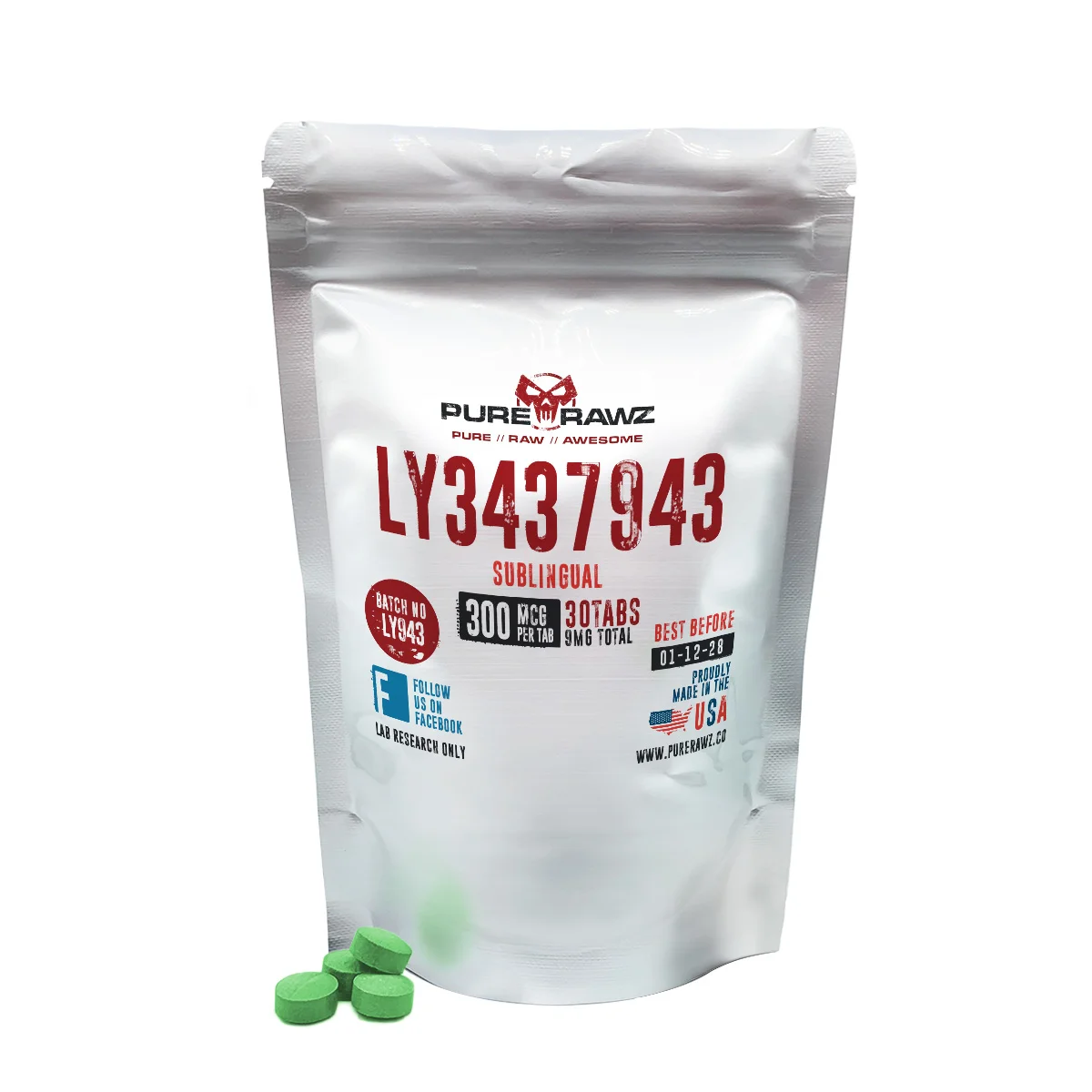
Overview of Retatrutide
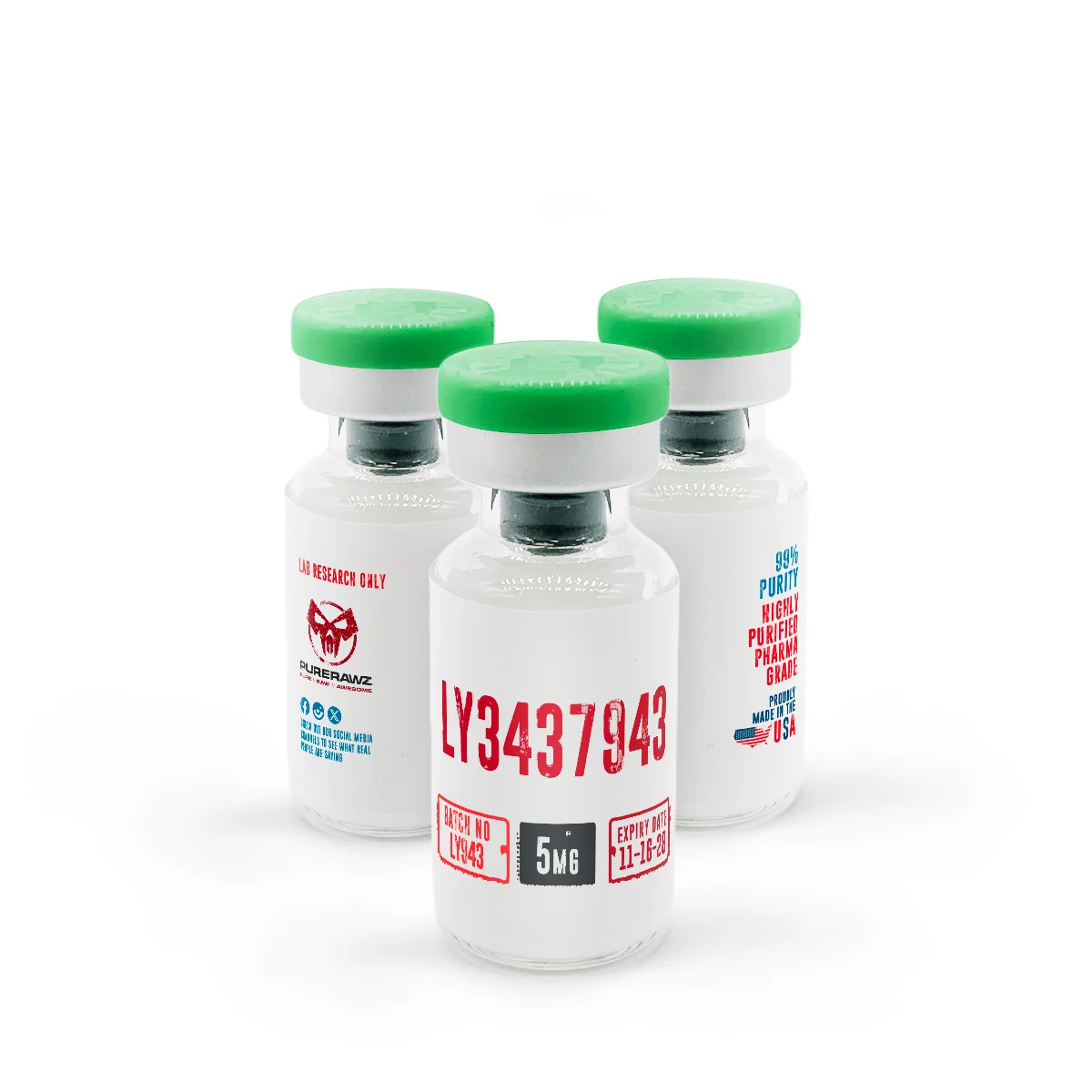
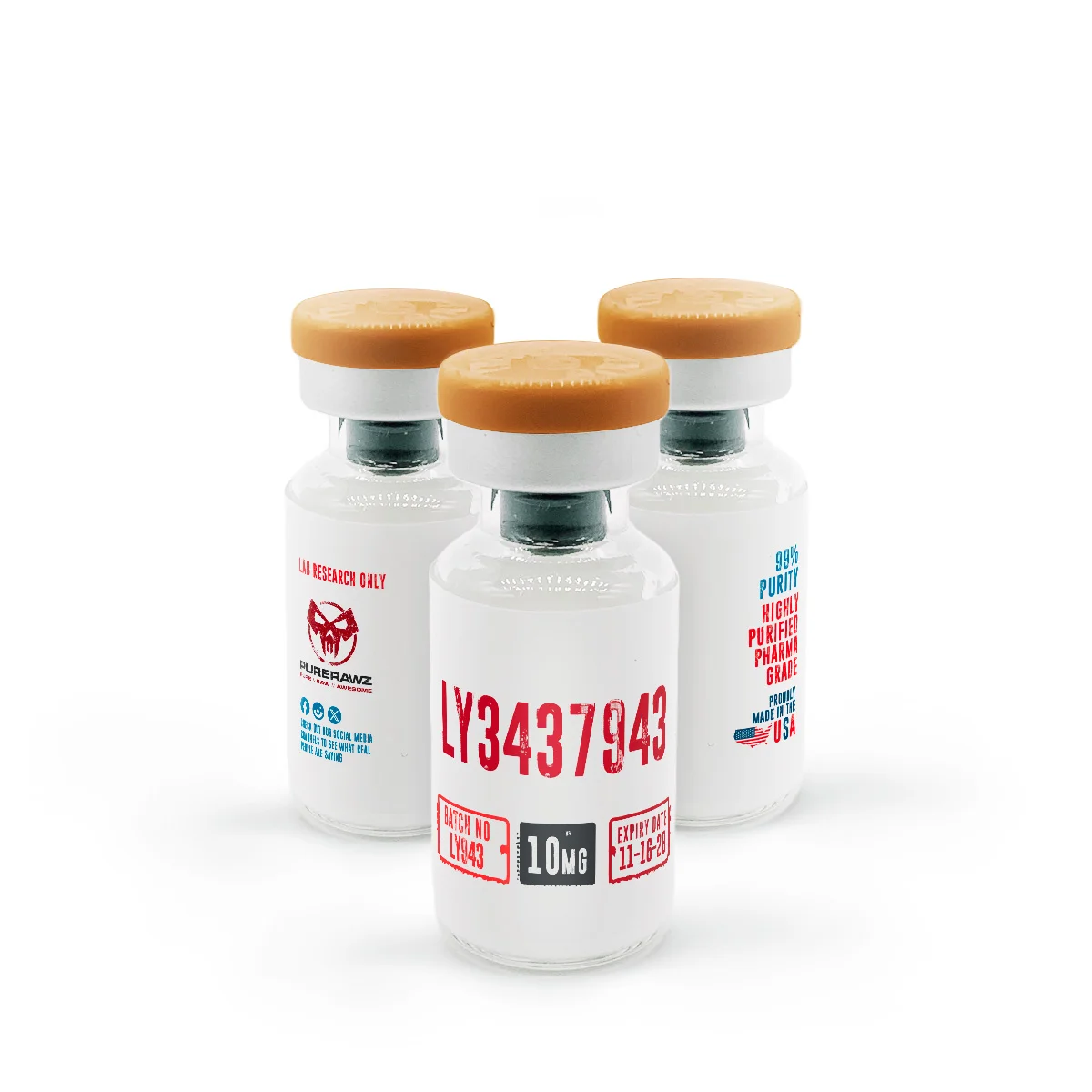
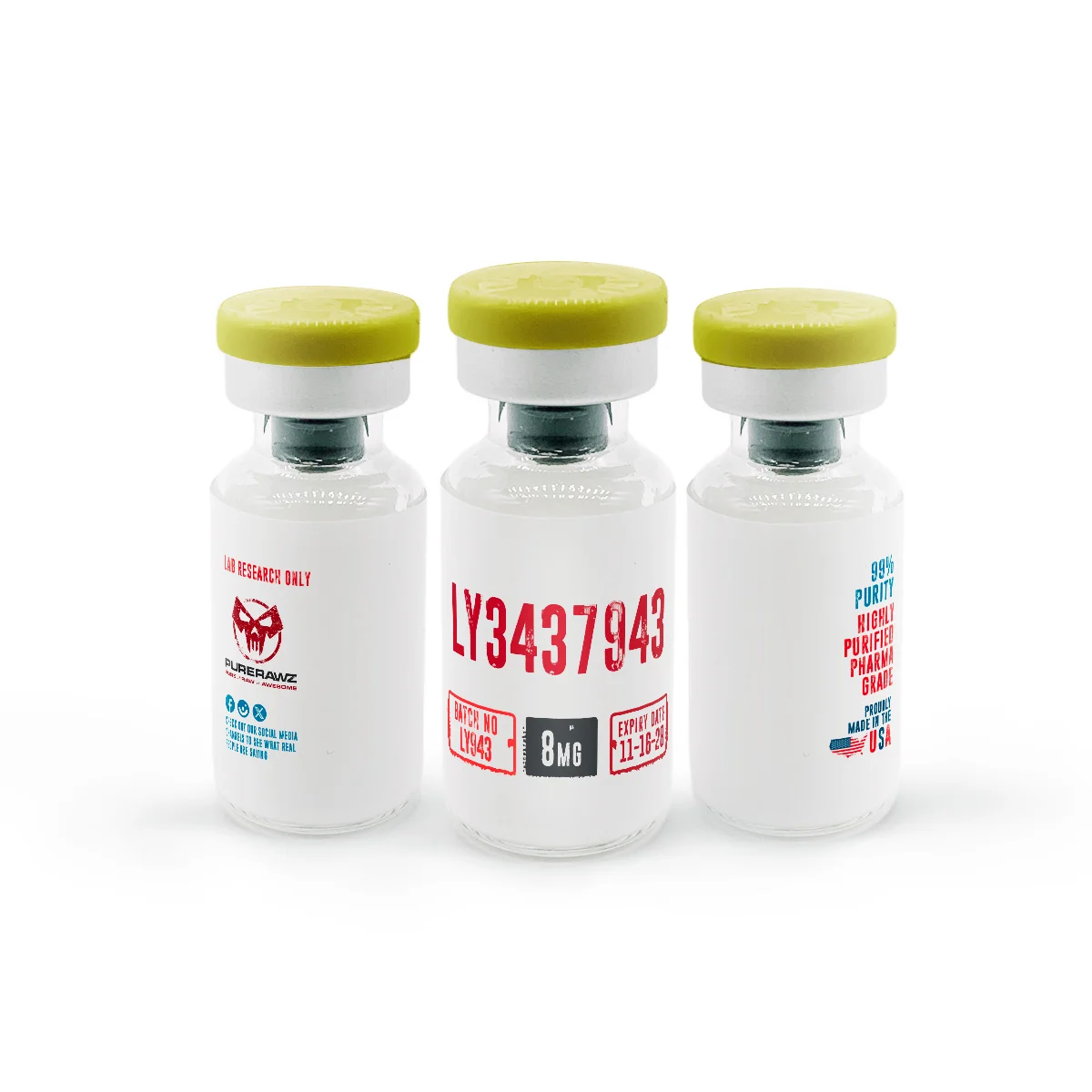
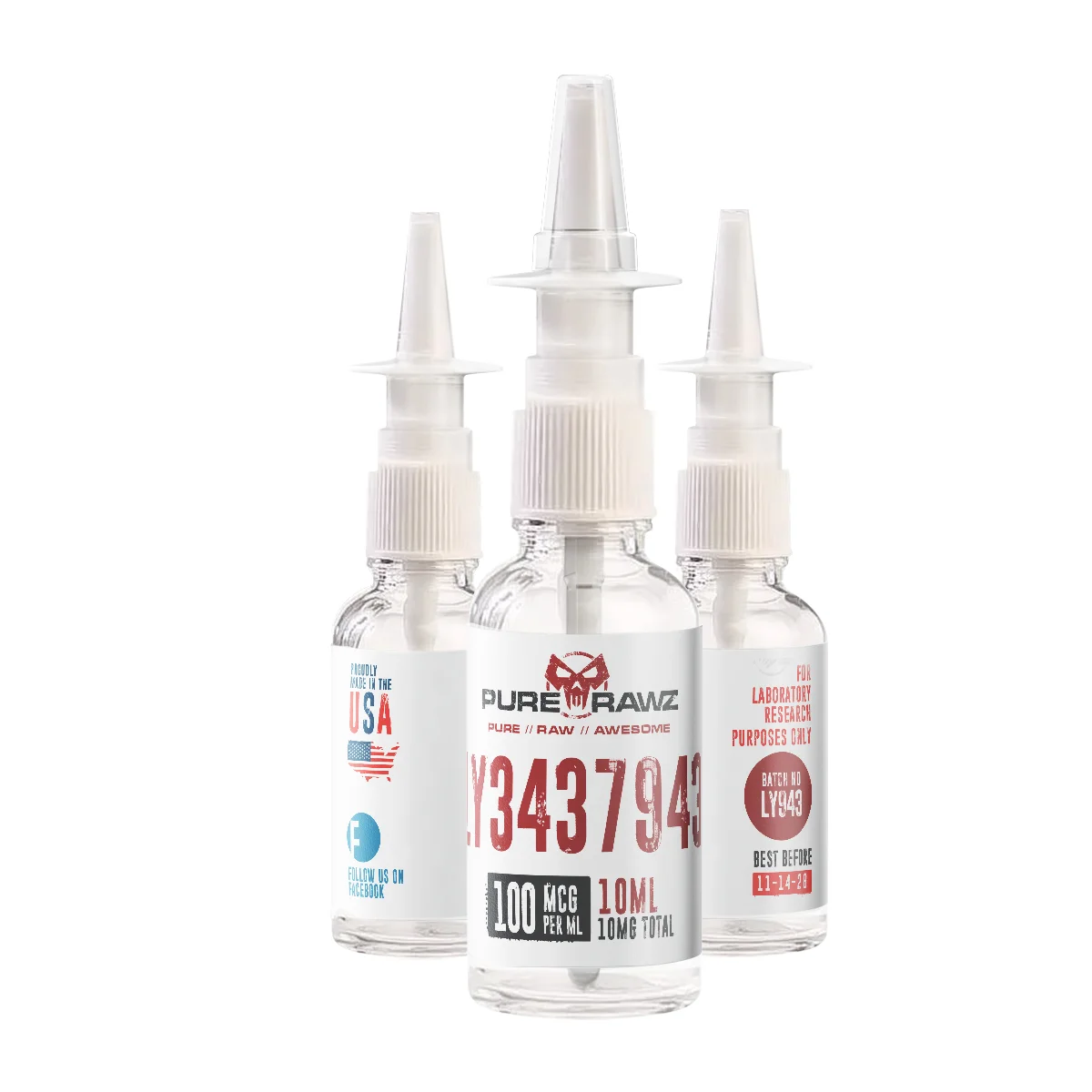
Retatrutide (LY3437943) is a synthetic research peptide consisting of 39 amino acids. It is studied in control laboratory models for its role in activating three different receptors. These receptors include:
- Glucagon–like peptide‑1 receptor (GLP–1R).
- Glucose–dependent insulinotropic polypeptide receptor (GIPR).
- Glucagon receptor (GCGR).
In controlled laboratory environments, researchers study retatrutide to evaluate its receptor-binding characteristics and downstream cellular signaling activity.
The peptide has also garnered attention for endocrine and receptor-signaling research.
Researchers believe that Retatrutide’s ability to target multiple receptors at the same time distinguishes it from single-targeted research peptides.
Chemical and Molecular Properties
| PubChem CID | 171390338 |
| Molecular Formula | C221H342N46O68 |
| Molecular Weight | 4731 g/mol |
| Synonyms | Retatrutide
2381089-83-2 LY3437943 orb1981169 EX-A7826E…. |
| IUPAC | 20-[[(1S)-4-[2-[2-[2-[[(5S)-5-[[(2S)-6-amino-2-[[(2S)-2-[[(2S)-2-[[(2R)-2-[[(3S)-2-[[(2S)-2-[[(2S)-2-[[(2S)-2-[[(2S)-2-[[(2S,3R)-2-[[(….. |
| CAS | 2381089-83-2 |
| Labeling | Research Use Only (RUO), not for human or animal consumption. |
| Chemical Structure Depiction | 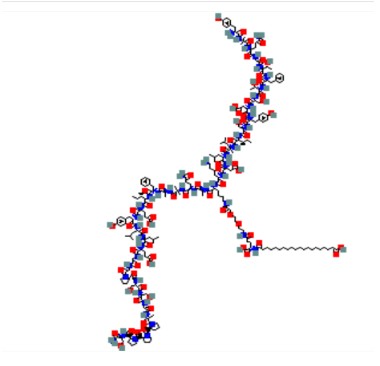 |
| Purity | ≥99% (HPLC verified) |
| Classification | Research Use Only (RUO) |
| Storage Temperature | Lyophilized: −20 °C or colder |
| Solubility | Water, DMSO (research-grade solvents) |
| Safety | Handle with gloves, a lab coat, eye protection; use a fume hood if dust/aerosol is possible |
Working Mechanism of Retatrutide
In controlled laboratory investigations, Retatrutide appears to bind to and activate three primary receptors.
-
GLP–1 Receptors (GLP–1R):
Investigated for its interaction with GLP-1 receptor–mediated cellular signaling pathways in preclinical research settings.
-
GIP Receptors (GIPR):
Explored for GIP receptor–associated signaling activity in controlled in vitro experimental models.
-
Glucagon Receptors (GCGR):
Studied for receptor-mediated intracellular signaling pathways associated with glucagon receptor activation under controlled laboratory conditions.
Retatrutide Research Applications (Laboratory Use Only)
Researchers investigate retatrutide in laboratory models to characterize receptor activation profiles and intracellular signaling responses.
- Retatrutide is being explored for coordinated activation of GLP‑1R, GIPR, and GCGR.
- It is being investigated for receptor-mediated signaling networks and downstream intracellular pathways in vitro.
- Retatrutide is studied for receptor-binding characteristics and downstream intracellular signaling responses in laboratory assays.
Why Choose Purerawz for Retatrutide?
Buy Retatrutide for laboratory research use from our online shop. At Purerawz, we provide high-quality reference materials. Each research compound comes with a Certificate of Analysis for verification of purity and concentration.
Note:
Retatrutide (LY3437943) is an investigational compound currently undergoing clinical evaluation and has not been established as safe or effective for any therapeutic use
Disclaimer
This information is for educational purposes only and not medical advice. Products are for research use only. Research must follow IRB or IACUC guidelines. Verify information independently before purchasing. By ordering, you agree to our Terms and Conditions. If you are not 100% satisfied with the product you received, please contact us at support@purerawz.co
ATTENTION: All our products are for LABORATORY AND RESEARCH PURPOSES ONLY, not for veterinary or human use
Reference Links
- Katsi, V., Koutsopoulos, G., Fragoulis, C., Dimitriadis, K., & Tsioufis, K. (2025). Retatrutide–A Game Changer in Obesity Pharmacotherapy. Biomolecules, 15(6), 796. https://doi.org/10.3390/biom15060796
- Jastreboff, A. M., Kaplan, L. M., Frias, J. P., Wu, Q., Du, Y., Sirel Gurbuz, Coskun, T., Haupt, A., Milicevic, Z., & Hartman, M. L. (2023). Triple–Hormone-Receptor Agonist Retatrutide for Obesity — A Phase 2 Trial. The New England Journal of Medicine, 389(6). https://doi.org/10.1056/nejmoa2301972