Overview
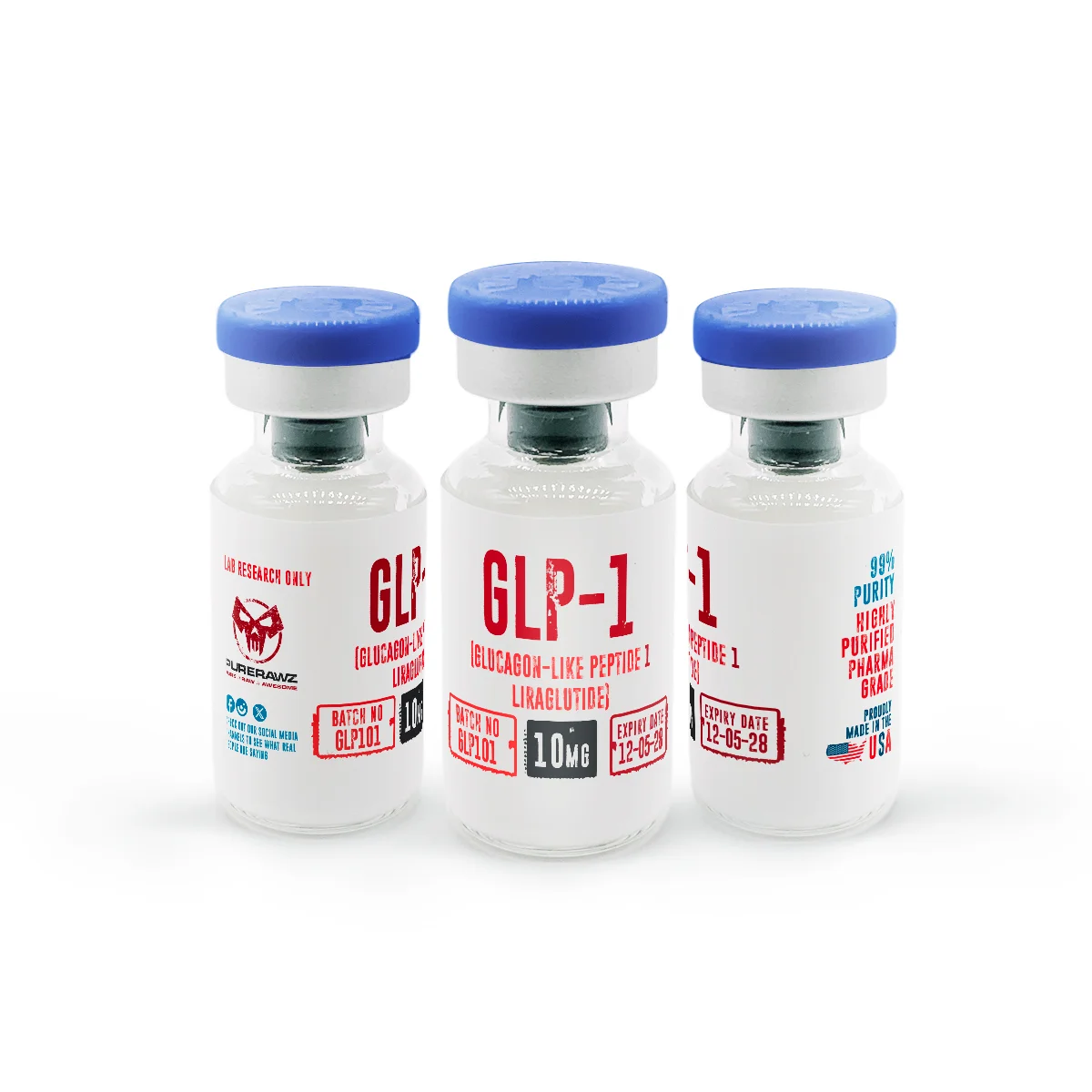
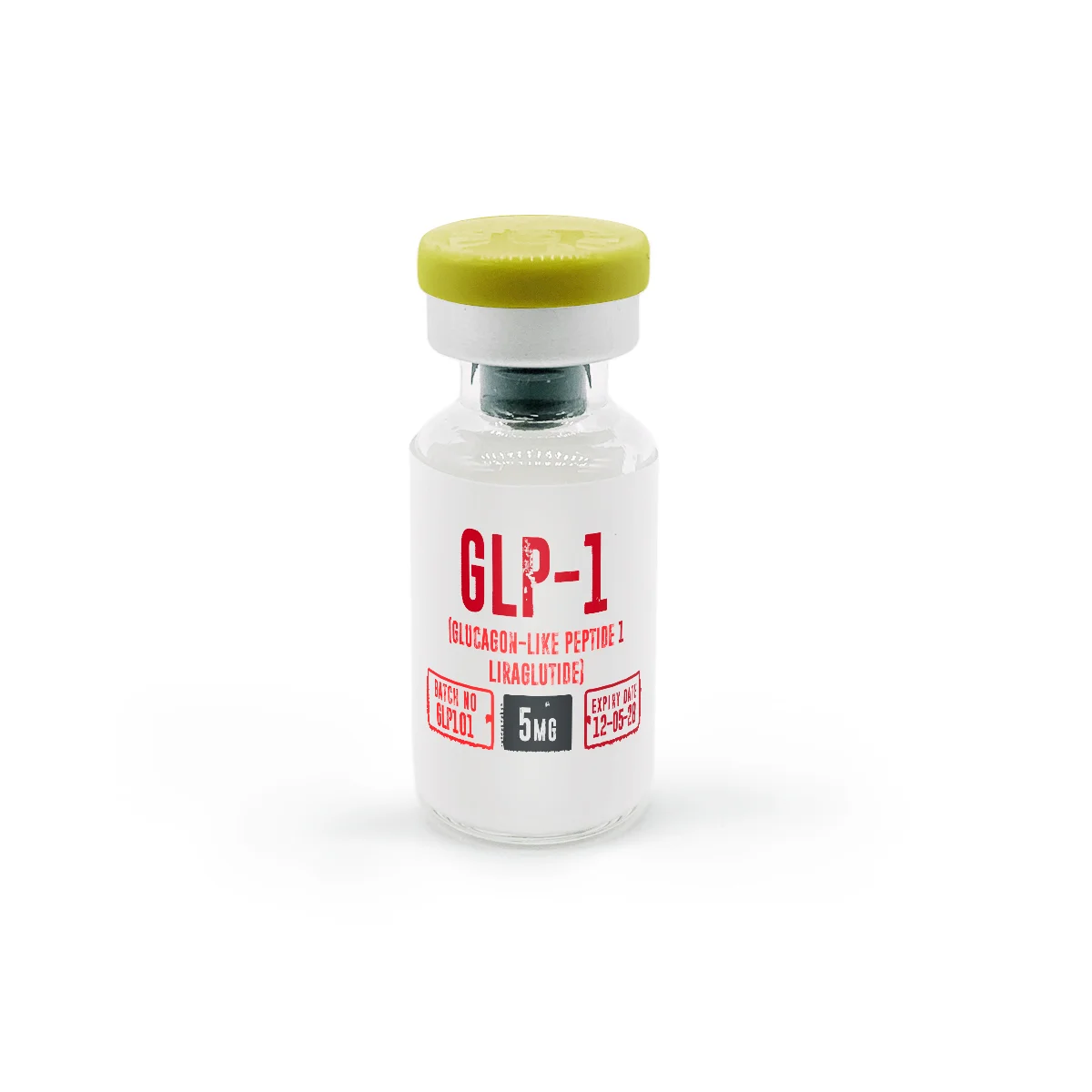
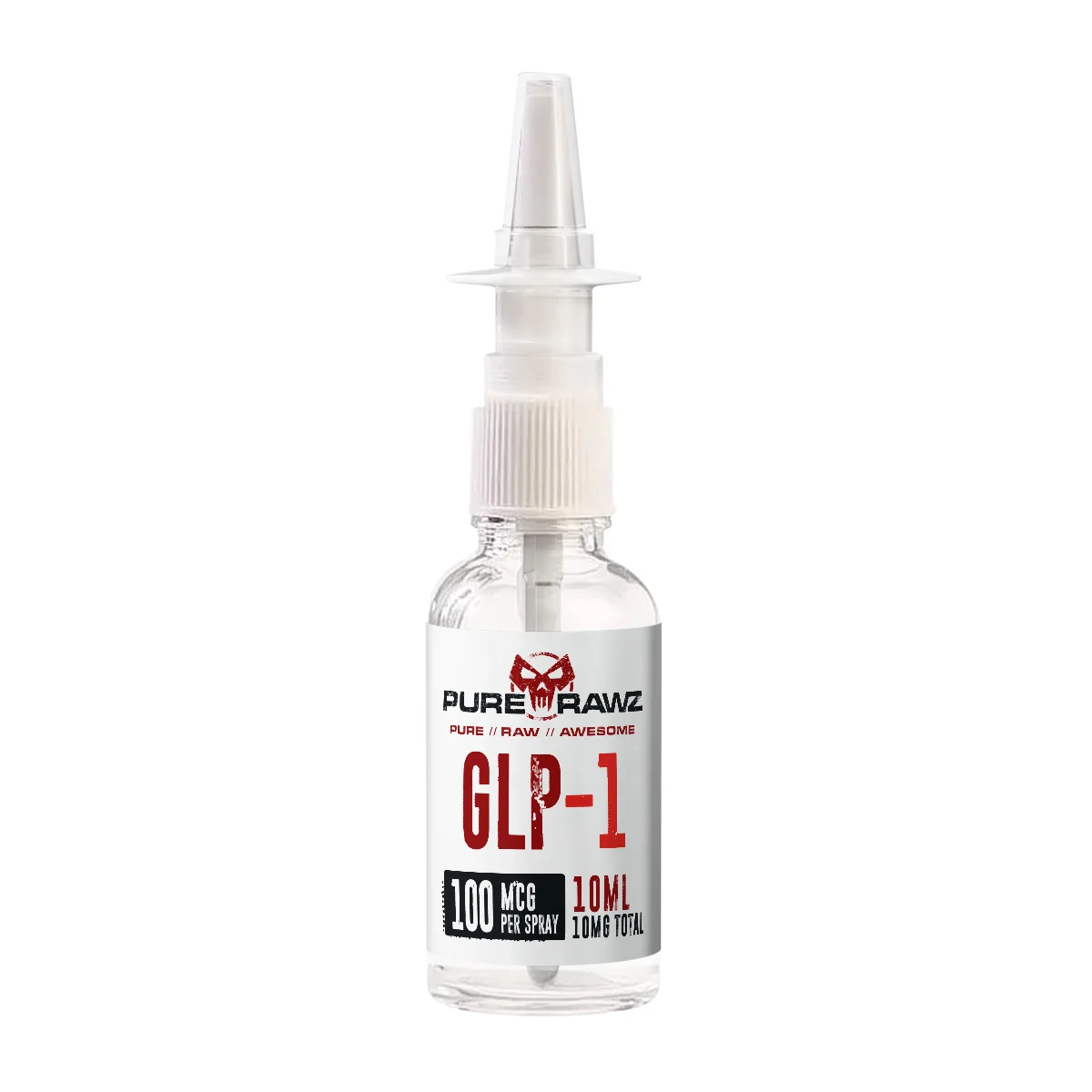
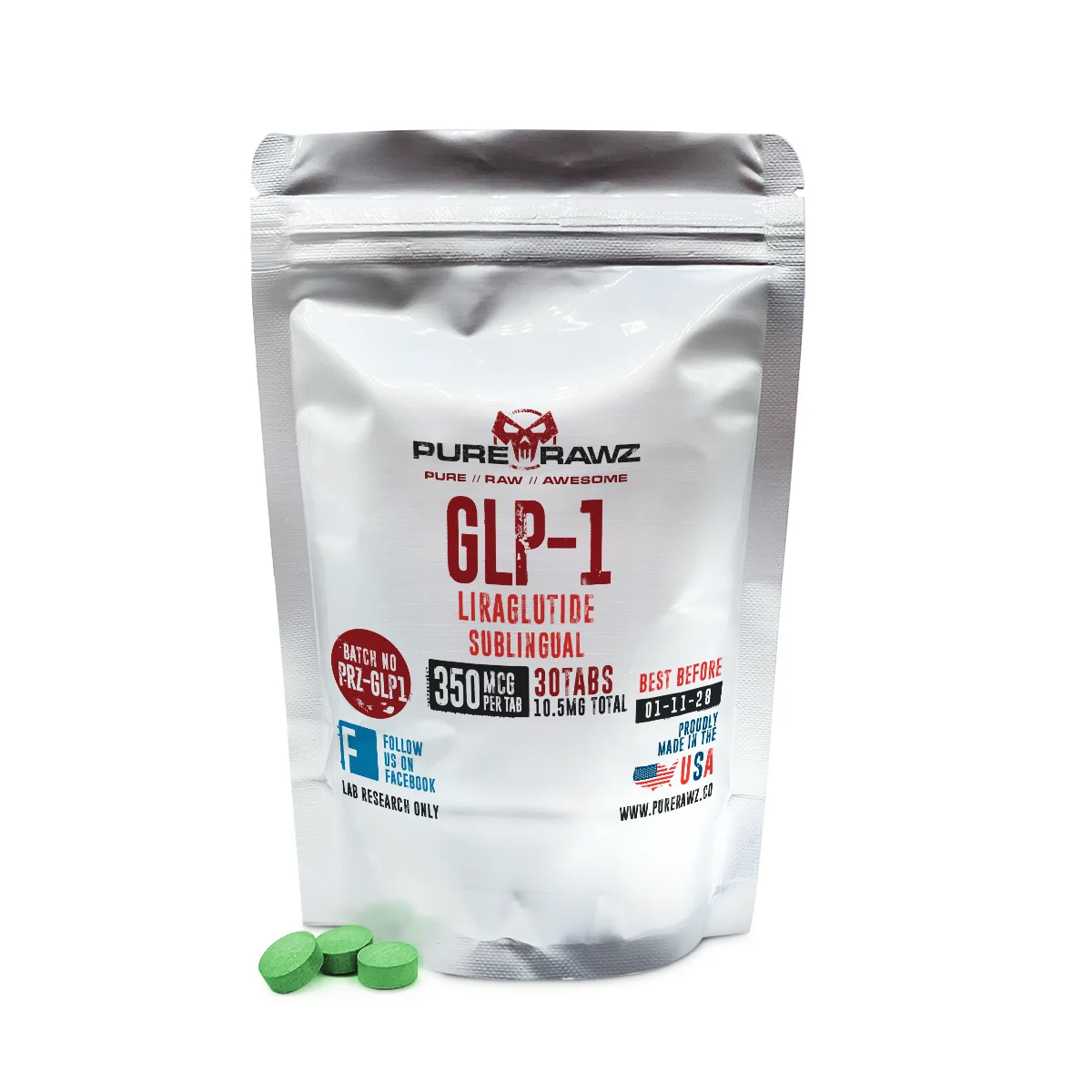
GLP-1 is a synthetic peptide classified as a glucagon-like peptide-1 (GLP-1) receptor agonist and is widely examined in biochemical and molecular research. Structurally, it is a modified analog of the endogenous incretin hormone GLP-1. It is engineered to improve molecular stability and receptor interaction characteristics in experimental environments.
In laboratory contexts, it is used as an investigational compound for studying incretin signaling pathways, receptor-mediated cellular responses, and metabolic signaling networks in controlled experimental systems.
Due to its structural modifications, the peptide demonstrates enhanced resistance to enzymatic degradation compared with native GLP-1, allowing researchers to evaluate prolonged receptor activation and downstream signaling events in in vitro studies and preclinical models.
Chemical and Molecular Properties
GLP-1 is a 31-amino-acid peptide analog derived from the GLP-1(7-37) sequence. The molecule incorporates specific amino-acid substitutions and a lipid side-chain modification designed to increase molecular stability and facilitate albumin association in experimental systems.
| Property | Value |
| Compound Name | GLP-1 |
| CAS Number | 910463-68-2 |
| Molecular Formula | C187H291N45O59 |
| Molecular Weight | ~4113.6 g/mol |
| Peptide Length | 31 amino acids |
| Structural Classification | Modified GLP-1 analog peptide |
| Key Structural Modification | C18 fatty diacid side chain attached to Lys26 via linker |
| Notable Amino Acid Substitutions | Aib substitution at position 8; Arg substitution at position 34 |
Working Mechanism
Receptor Interaction
In experimental systems, the peptide binds to GLP-1 receptors located on cellular membranes. This interaction induces conformational changes in the receptor structure, initiating intracellular signaling cascades typical of GPCR activation.
Intracellular Signaling Pathways
Following receptor activation, several signaling processes may be observed in controlled laboratory conditions:
- Gs-protein coupling and adenylate cyclase activation
- Elevation of intracellular cyclic AMP (cAMP) levels
- Activation of protein kinase A (PKA) signaling
- Engagement of Epac-mediated signaling pathways
These pathways are frequently examined in cell-based assays and molecular signaling studies to evaluate receptor activation dynamics, transcriptional regulation, and peptide-receptor interactions at the cellular level.
Structural Stability Mechanism
The lipidated side chain attached to the peptide facilitates reversible albumin binding in experimental conditions, which may influence peptide distribution and stability in biochemical environments. Structural modifications also contribute to resistance against enzymatic degradation by dipeptidyl peptidase-4 (DPP-4), an aspect often investigated in peptide stability research.
Research Applications of the Product in Laboratory Settings
GLP-1 Receptor Signaling Studies
In in vitro receptor assays, GLP-1 may be used to analyze GLP-1 receptor activation, ligand-receptor binding affinity, and downstream signaling events. These studies help characterize GPCR-mediated signaling networks and receptor regulation mechanisms.
Peptide Engineering and Stability Research
Due to its engineered structural modifications, GLP-1 serves as a model molecule in peptide design research, allowing scientists to explore strategies for improving peptide stability, enzymatic resistance, and molecular persistence in experimental systems.
Cellular Signaling and Pathway Analysis
Researchers may employ GLP-1 in cell-based experimental models to examine intracellular signaling cascades associated with cAMP production, kinase activation, and transcriptional pathway modulation.
Metabolic Pathway Investigation in Preclinical Models
In controlled preclinical research models, the compound may be used to study incretin-related signaling mechanisms, endocrine pathway interactions, and molecular responses associated with GLP-1 receptor activation.
Comparative Incretin Analog Research
GLP-1 is also utilized in comparative peptide studies that investigate structural differences between GLP-1 analogs and their influence on receptor binding kinetics, signal transduction, and molecular stability.
Why Choose Purerawz for GLP-1?
Buy GLP-1 for laboratory research use from our online shop. At Purerawz, we provide high-quality reference materials. Each research compound comes with a Certificate of Analysis for verification of purity and concentration.
Disclaimer
This information is for educational purposes only and not medical advice. Products are for research use only. Research must follow IRB or IACUC guidelines. Verify information independently before purchasing. By ordering, you agree to our Terms and Conditions. If you are not 100% satisfied with the product you received, please contact us at support@purerawz.co
Reference Links
- Baekdal, T. A., Donsmark, M., Hartoft-Nielsen, M., Sondergaard, F. L., & Connor, A. (2021). Relationship between oral GLP-1 tablet erosion and pharmacokinetics: A Pharmacoscintigraphic study. Clinical Pharmacology in Drug Development,10(5), 453-462.https://doi.org/10.1002/cpdd.938
- Kapitza, C., Nosek, L., Jensen, L., Hartvig, H., Jensen, C. B., & Flint, A. (2014). GLP-1, a once-weekly human GLP-1 analog, does not reduce the bioavailability of the combined oral contraceptive, ethinylestradiol/levonorgestrel. The Journal of Clinical Pharmacology, 55(5), 497-504. https://doi.org/10.1002/jcph.443